
The HVAC Contractor's Guide to Google Ads in 2026: Surviving Seasonality and Rising Clicks
HVAC Google Ads costs keep climbing. I break down how to structure campaigns for seasonality, cut broad match waste, and profit in winter and summer peaks.
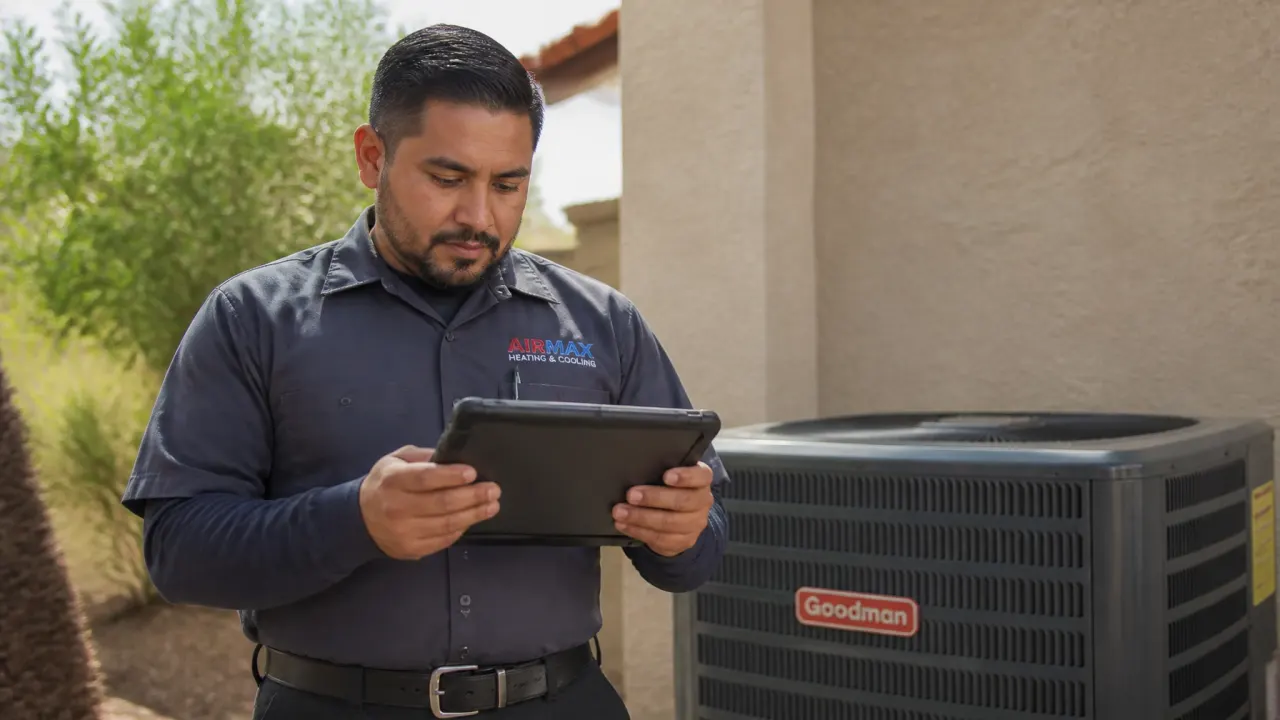
Short answer: HVAC contractors should stop running the same budget all year. Put the most money into summer and winter peaks, shift shoulder-season ads toward maintenance and tune-ups, block DIY and parts searches with negative keywords, answer Local Services Ads leads fast, and only run overnight ads if someone can answer the phone within 60 seconds.
Every summer and winter, I talk to HVAC contractors who feel like they are caught on a treadmill. When a heatwave hits or a deep freeze sets in, call volume spikes, but cost-per-click rates skyrocket. Then, when shoulder seasons arrive, the phone stops ringing completely, and digital ad spend feels like money thrown into a furnace. If you run the same static campaigns year-round, you are likely wasting half your budget on dead clicks and low-intent searches.
Since 2007, I have managed paid search campaigns across multiple industries, including working with major enterprise brands like CarMax, Adobe, Citrix, NetApp, and Rackspace. Over the years, I have seen Google Ads evolve significantly. Today, running profitable HVAC pay-per-click campaigns requires a rigorous, data-driven approach that adapts dynamically to seasonal demand, eliminates keyword waste, and protects your bottom line.
The Real Cost of HVAC Seasonality on Google Ads
Most local service businesses make the mistake of setting a flat monthly budget and letting Google run on autopilot. In the HVAC industry, this strategy is financial suicide. Demand is violently cyclical. When a homeowner wakes up to a sweltering house in July or a freezing home in January, purchase intent is immediate and urgent. During milder spring and autumn months, that same homeowner is only thinking about routine filter changes or putting off system replacements.
If your budget stays identical across all twelve months, you starve your campaigns during emergency peaks and overpay for low-value impressions during slow periods. To fix this, I restructure budgets around regional weather patterns and historical emergency triggers.
- Summer Peak (June to August): Focus heavily on emergency AC repairs, refrigerant leaks, and no-cooling calls. Maximize budget caps during predicted heat advisories.
- Winter Peak (November to February): Shift focus to furnace failures, heater igniters, and heating system breakdowns.
- Shoulder Seasons (March to May / September to October): Pivot ad copy and landing pages toward preventative maintenance agreements, tune-up specials, and energy-efficient system upgrades.
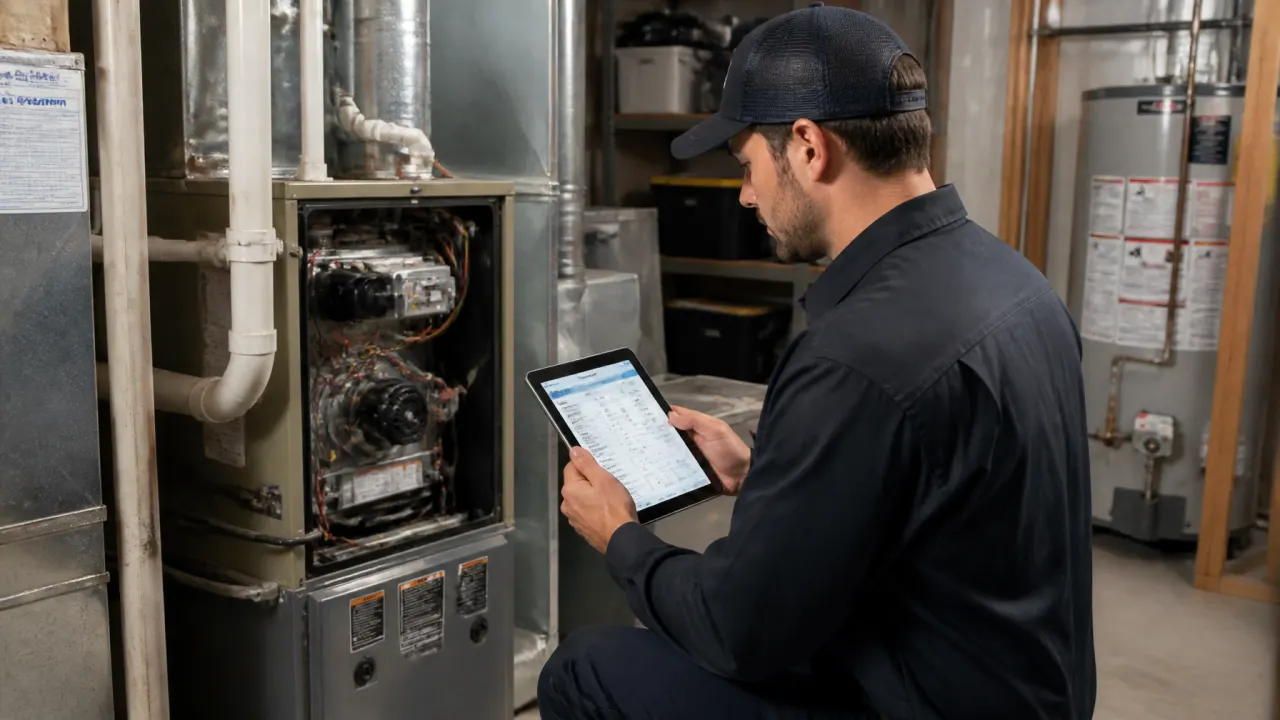
Combating Broad Match Waste in Local Service Campaigns
Google pushes automated campaign settings hard these days, and broad match keywords are a primary culprit behind wasted ad spend. If you leave your match types wide open, Google will happily spend your money on searches that have nothing to do with booking a service call.
In HVAC advertising, the junk search terms can drain a budget in days. Homeowners constantly type DIY troubleshooting queries into search engines when their equipment acts up. Without strict controls, you pay for clicks from people looking for:
- Free DIY repair guides and YouTube tutorials
- Wholesale HVAC parts and capacitors to fix units themselves
- Manufacturer warranty phone numbers
- General trivia about how heat pumps operate
To stop this bleeding, I implement aggressive negative keyword lists on day one. I also rely heavily on exact match and phrase match structures to ensure every dollar targets homeowners with intent to hire a licensed technician immediately. If you want to see how your current setup compares, take a look at my professional Google Ads audit to find hidden budget leaks.
Mastering Local Services Ads for Emergency Calls
Local Services Ads (LSAs) sit at the very top of Google search results, often pushing traditional search ads below the fold. For HVAC contractors, LSAs are essential because customers trust the Google Verified badge, and you pay per lead rather than per click.
However, running LSAs successfully requires operational discipline. During peak summer heatwaves, Google enforces a strict responsiveness metric. If your dispatch team takes too long to answer phone calls or reply to lead messages through the portal, your ranking drops rapidly when you need it most.
I always advise clients to set up dedicated call routing, after-hours overflow answering services, and instant text response automations. Winning with LSAs is not just about having the highest budget; it is about operational speed and review velocity. Maintaining a steady stream of five-star reviews from routine maintenance visits builds a defensive moat around your local listings before the peak season hits.
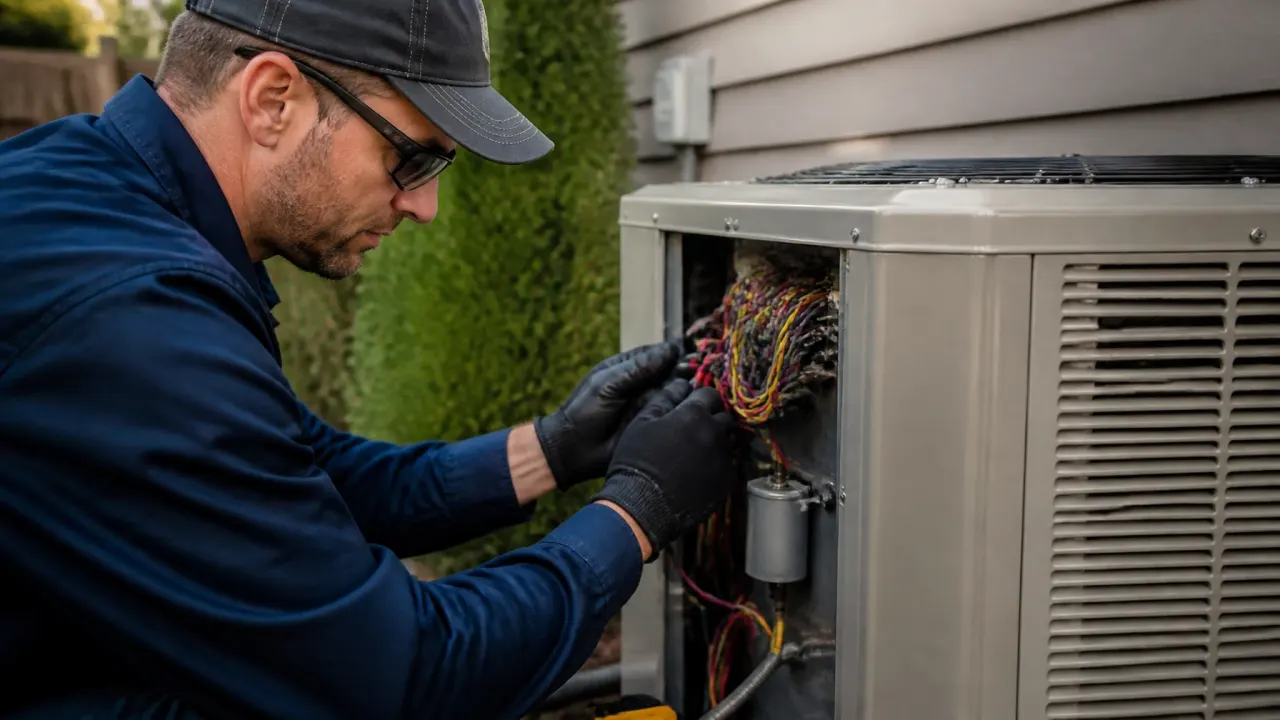
The 2 AM Ad Scheduling Dilemma
One of the most common questions I get from local business owners is whether they should keep their ads running twenty-four hours a day. After all, air conditioners tend to break down in the middle of the night when homes heat up.
The short answer is nuanced. While emergency midnight calls do happen, running unmonitored ads overnight often leads to low-quality tire-kickers who expect immediate dispatch at standard daytime rates, only to balk at emergency pricing. Furthermore, if your dispatch team is asleep and your phone goes unanswered, you pay for a click that yields zero revenue.
I recommend analyzing your CRM data to find out when actual emergency bookings convert into paid jobs. If your night shift cannot reliably answer calls within sixty seconds, restrict ad delivery to waking hours or route night traffic exclusively to an answering service with strict budget caps.
Building a Resilient PPC Strategy
Surviving the ups and downs of the HVAC market requires more than just luck. It takes meticulous campaign architecture, continuous negative keyword pruning, and seasonal agility. When structured correctly, paid search becomes your most predictable revenue channel, keeping your trucks rolling and your technicians busy twelve months a year.
If you are tired of watching your budget evaporate on unqualified clicks and want an expert partner to manage your paid traffic, explore my specialized Google Ads management services designed specifically for growth-minded companies.
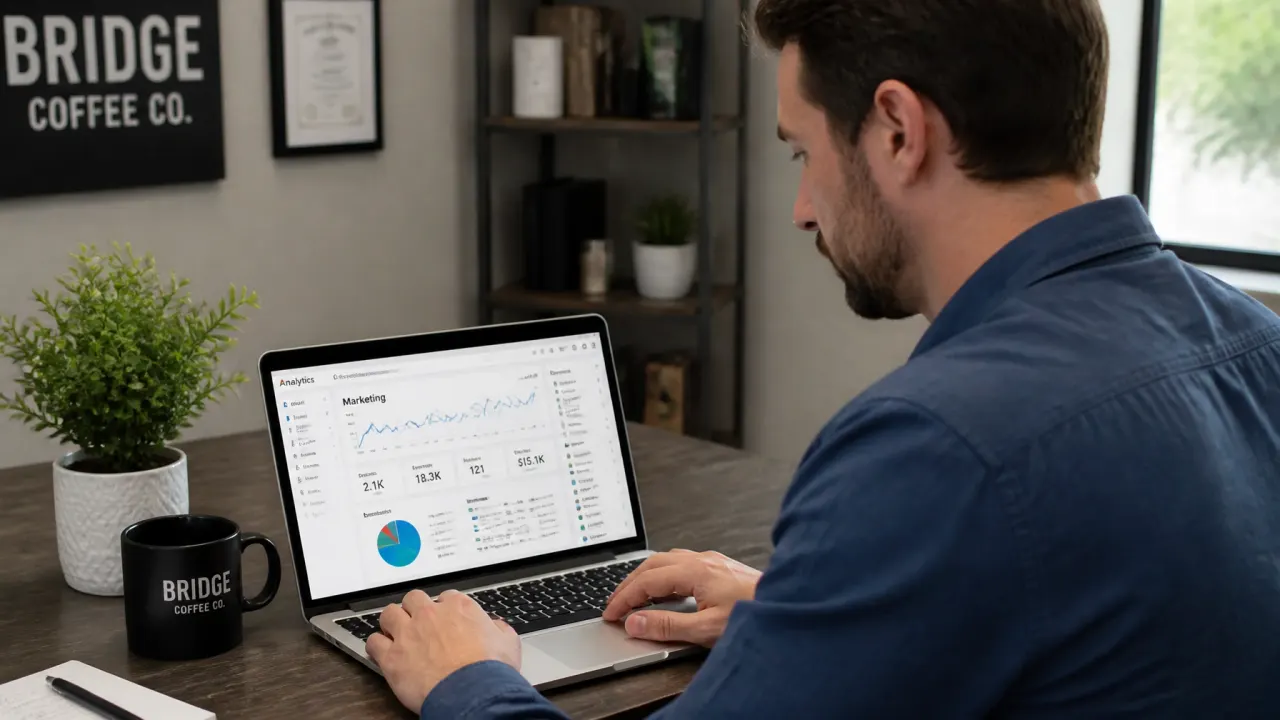
Ready to stop wasting ad spend and start generating consistent, high-value service calls? Visit my dedicated HVAC Google Ads page to see how I help contractors dominate their local markets.
Quick Answers
About the Author
Charles Williams
· Founder, High Priority MarketingGoogle Ads Specialist · Managing paid search campaigns since 2007
Charles has been managing Google Ads accounts for local service businesses, home services contractors, and B2B companies since 2007. He has worked with Fortune 500 brands including CarMax, Adobe, and Citrix, and founded High Priority Marketing to give smaller businesses access to that same level of strategic depth without the overhead that drives up costs and slows things down.
highprioritymarketing.com →Find Out Where Your Google Ads Budget Is Leaking
Get a free audit of your Google Ads account. I review it myself and show you exactly where spend is being wasted and what to fix first.
Get Your Free AuditReady to get started?
See the services I offer and how I can help your business grow.