
Migrating from DSAs to AI Max
Google pushed back the Dynamic Search Ads sunset to February 2027. I explain why waiting for auto-migration is a trap and how to run a proper parallel test for AI Max.
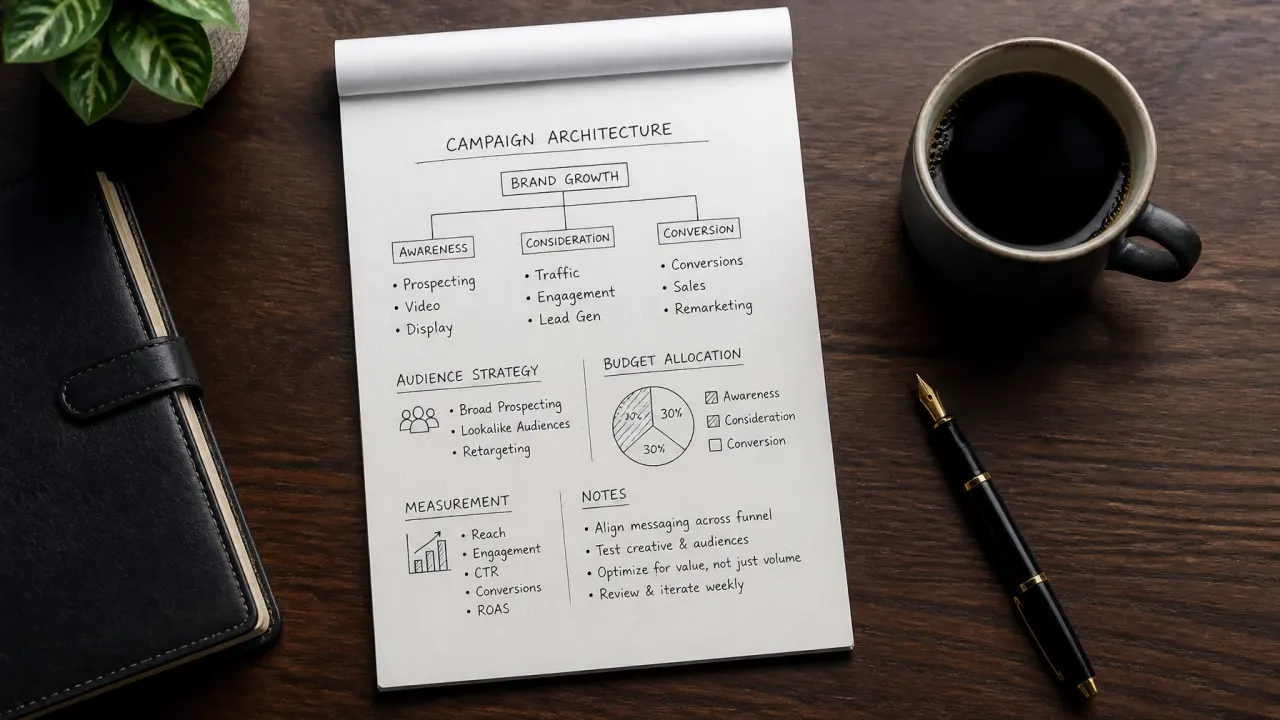
Short answer: Dynamic Search Ads are being replaced by AI Max for Search, and there are three deadlines, not one. Campaigns using Automatically Created Assets or campaign-level broad match auto-upgrade in September 2026, new DSA campaigns can no longer be created from January 2027, and remaining DSAs auto-migrate in February 2027. Run an AI Max test next to your DSAs now instead of waiting.
Google pushed the Dynamic Search Ads sunset back from September 2026 to February 2027. A lot of coverage stopped there, and that is the part that gets accounts in trouble, because September 2026 did not go away. It just stopped applying to the thing everyone was watching.
Three Dates, Not One
September 2026. Campaigns using Automatically Created Assets or the campaign-level broad match setting still auto-upgrade to AI Max on the original schedule. This was never delayed. If either of those is switched on in your account, this is your real deadline, and it is about five weeks of planning away, not eighteen months.
January 2027. The ability to create new Dynamic Search Ads campaigns is removed. Whatever DSA structure you want to keep testing against has to exist before this date.
February 2027. Auto-migration begins for everything still running as a standalone DSA.
So check your settings before you file this under next year. When I consult with clients on google ads management, the first question is not when the deadline is. It is which of the three you are actually facing.
If you rely on DSAs to capture long-tail search queries without managing thousands of exact-match keywords, you need to understand what is happening and how to prepare. Standing still until the winter deadline is a recipe for wasted ad spend and lost revenue.
Why Dynamic Search Ads Are Phased Out
Google is systematically retiring standalone Dynamic Search Ads in favor of AI Max for Search. Traditional DSAs relied on website crawls to automatically match user queries to landing page content. While effective for massive e-commerce catalogs and service sites, Google wants all automated inventory channeled through unified campaign architectures.
Having managed search accounts since 2007, I have seen Google sunset plenty of campaign types over the decades. Back when I managed enterprise search budgets for brands like CarMax, transitions required careful planning to avoid sudden spikes in cost-per-acquisition. AI Max operates differently by combining automated bidding, asset generation, and query expansion into a single black-box framework. If your account relies heavily on ppc management services, understanding this shift is vital for maintaining steady lead flow.
The Danger of Waiting for Automatic Migration
Many business owners assume they can simply let Google auto-migrate their campaigns when February 2027 rolls around, and that anyone touching Automatically Created Assets has until then too. Both assumptions are traps. When Google automatically transitions an older campaign format into a new system, historical performance data, custom reporting segments, and granular attribution settings often get jumbled.
Automatic migrations rarely optimize for your specific conversion goals or profit margins. Instead, they optimize for broad platform volume. If you want proper google ads optimization, you must take control of the transition manually rather than letting an algorithm make arbitrary choices for your business.

How to Run a Parallel Test Right Now
The best way to handle this transition is by running a parallel test. Do not wait until the last minute. Build an AI Max campaign alongside your existing DSA campaign using a modest test budget.
- Allocate a separate, controlled budget specifically for your test campaign.
- Compare search term reports side by side every week to see which engine surfaces better commercial intent.
- Monitor your cost-per-lead and conversion rates against your historical baseline metrics.
This side-by-side comparison reveals how the new system handles your specific website content before you pull the plug on your legacy setup.
Managing Final URL Expansion and Negative Keywords
One major challenge with AI Max campaigns is final URL expansion. By default, the system scans your entire website and sends traffic to any page it deems relevant. If your site contains outdated blog posts, thin service pages, or privacy policies, the algorithm might waste budget sending random searchers to those URLs.
Before launching your AI Max campaign, conduct a thorough site audit. Exclude blog archives, legal pages, and low-converting landing pages from the URL expansion settings. Pair this with a robust negative keyword list to block irrelevant queries. Proper account hygiene separates profitable campaigns from expensive experiments.
Secure Your Account Before February 2027
Use the upcoming fall and winter months to test, evaluate, and refine your search strategy. Do not wait for the February deadline to force your hand. Transitioning on your own terms protects your historical data and keeps your acquisition costs stable.
If you want an expert evaluation of your current search setup and guidance through this migration, request an audit today.
Quick Answers
About the Author
Charles Williams
· Founder, High Priority MarketingGoogle Ads Specialist · Managing paid search campaigns since 2007
Charles has been managing Google Ads accounts for local service businesses, home services contractors, and B2B companies since 2007. He has worked with Fortune 500 brands including CarMax, Adobe, and Citrix, and founded High Priority Marketing to give smaller businesses access to that same level of strategic depth without the overhead that drives up costs and slows things down.
highprioritymarketing.com →Find Out Where Your Google Ads Budget Is Leaking
Get a free audit of your Google Ads account. I review it myself and show you exactly where spend is being wasted and what to fix first.
Get Your Free AuditReady to get started?
See the services I offer and how I can help your business grow.