
How Much Should an Auto Repair Shop Spend on Google Ads?
Most independent auto repair shops should spend $1,500 to $2,500 a month on Google Ads. Here is how to size your budget for your market.

Short answer: Most independent auto repair shops in a typical suburban market should spend $1,500 to $2,500 a month on Google Ads. Small towns can often run on $500 to $800, mid-sized cities usually need $1,200 to $2,500, and major metros $3,000 to $10,000 or more. Start with $800 to $1,200 for 30 to 45 days to clear out wasted keywords before you scale.
If you ask three different marketing "gurus" how much you should spend on auto repair google ads, you will probably get four different answers. One will tell you that you need $5,000 a month just to "see the needle move," while another will swear you can get results for the price of a decent steak dinner. What I see in real shop accounts is that both can be wrong because they are skipping the part that matters, what your local search demand can actually support and what a booked job is worth in your bays.
Your budget is not a static number. It is a tool, and like anything in the shop, it only works if it is sized correctly for the job. Below is a practical way to think about google ads for small business in automotive based on the patterns that show up in dashboards: search volume caps, cost swings by ZIP code, and the lead quality changes you see when tracking is set up right.
The "Where You Live" Tax: Why Location Changes Everything
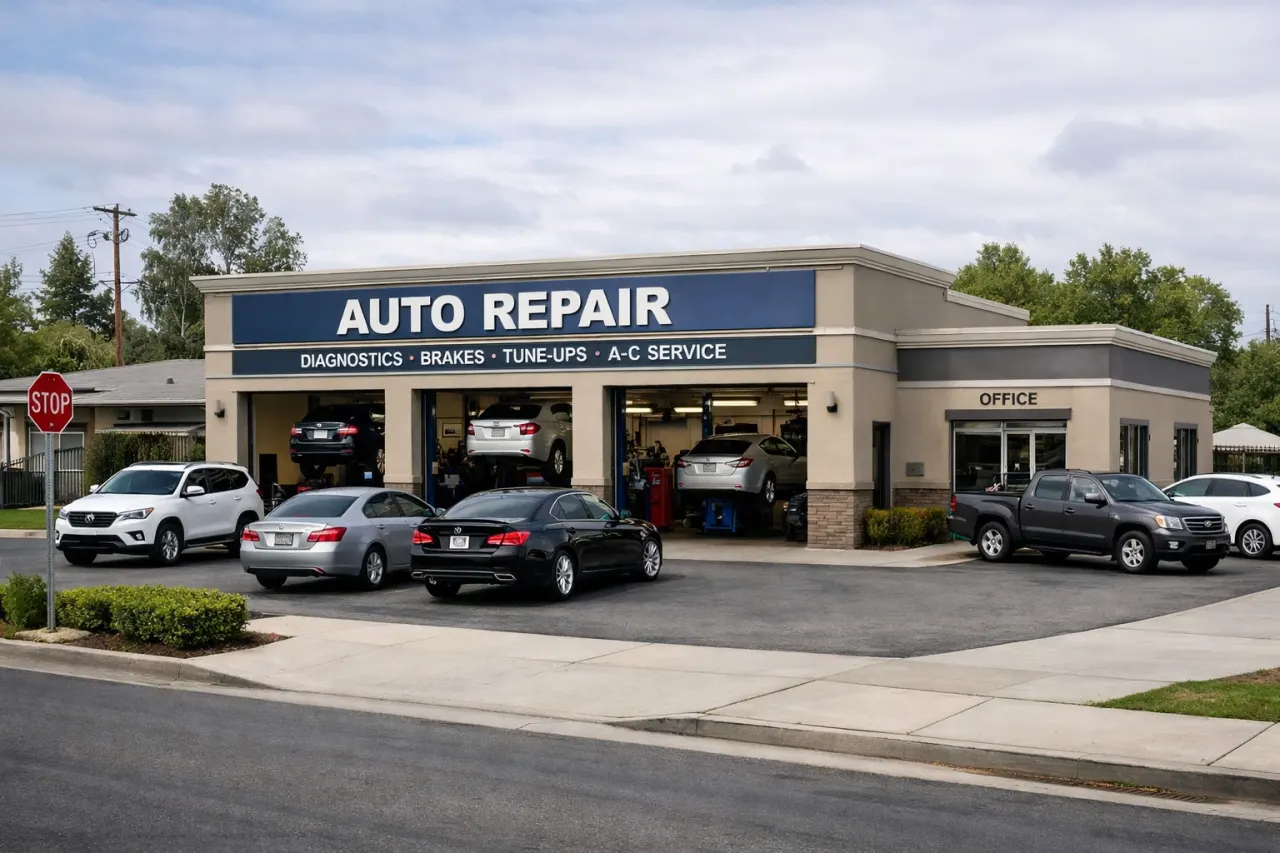
The first thing we have to talk about is geography. Google Ads is essentially an auction. You are bidding against the shop down the street and the big franchise three blocks over for the same eyeballs. If you’re in a small town with a population of 20,000, your "auction" is a lot quieter than if you’re trying to dominate the search results in downtown Chicago.
In smaller markets, you can often get away with a budget as low as $500 to $800 per month. There simply isn’t enough search volume for "brake repair near me" to spend much more than that without getting into diminishing returns. However, if you are in a mid-sized city (think 50,000 to 150,000 people), you should expect to spend between $1,200 and $2,500. For the major metros? You’re looking at $3,000 to $10,000+ just to keep the lights on in your digital storefront.
Breaking Down the Numbers: Cost Per Click (CPC) vs. Cost Per Lead (CPL)
When you’re looking at auto repair shops ppc, you have to understand the two most important numbers: what it costs to get someone to your website (CPC) and what it costs to get them to actually pick up the phone (CPL).
On average, a click for a general auto repair term might cost you anywhere from $3.50 to $6.00. That sounds cheap until you realize that not everyone who clicks is going to call. A well-optimized campaign usually sees a conversion rate of about 12% to 15%. If you’re doing things right, your cost per lead: meaning a real, live human calling about their car: should land somewhere between $25 and $45.
Let’s do the math on a $1,500 monthly budget:
- Monthly Spend: $1,500
- Average CPC: $4.00
- Total Clicks: 375
- Conversion Rate: 13%
- Total Leads: ~48 leads
If your shop’s average repair order (ARO) is $500, and you close even half of those leads, you’re looking at $12,000 in gross revenue from a $1,500 investment. That’s why we love this platform: when it’s dialed in, the math just works.
The Testing Phase: Why You Shouldn't Go All-In on Day One
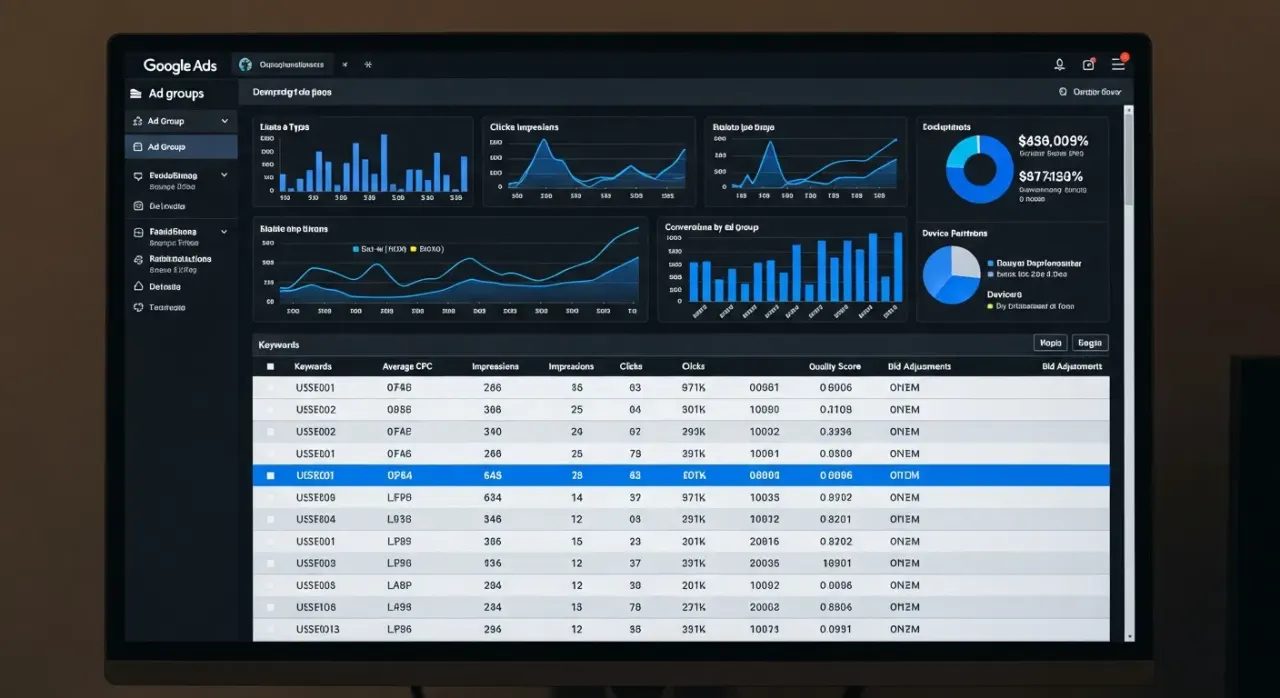
One of the biggest mistakes I see shop owners make is dumping $5,000 into a new account in the first 30 days. Google’s algorithm needs a "learning period." It needs to see who clicks, who bounces, and what time of day people are actually looking for a mechanic.
I usually recommend a "crawl, walk, run" approach. Start with a testing budget of $800 to $1,200. Give it 30 to 45 days. This allows us to find the "junk" keywords that are wasting your money: things like "car games" or "toyota parts for sale": and add them to a negative keyword list. Once the campaign is "clean" and we see the cost per lead stabilize, that’s when you turn up the volume. Scaling a broken campaign just wastes money faster; scaling a winning one builds a business.
Prioritize High-Margin Services
If you have a limited budget, don’t spend it on oil changes. I know, everyone needs them, and they get people in the door. But if you’re paying $5.00 for a click and $30.00 for a lead on a $49.00 oil change, you’re losing money before the car even hits the rack.
Instead, focus your auto repair google ads budget on high-intent, high-margin keywords:
- Brake repair
- Transmission service
- Check engine light diagnostics
- AC repair (especially in the summer)
- Suspension and steering
Hidden Costs and Management Fees
When you’re calculating your budget, separate what you pay Google from what you pay to manage the account. In dashboards, these get blended together mentally, and that is how owners end up comparing apples to wrenches.
Shops that DIY often do it for one reason, to save the management fee. The pattern you see when you audit those accounts is not that the owner is lazy, it is that the account is missing basic guardrails. Broad match pulling in parts shoppers, radius targeting too wide, no negative list, no call tracking, and a landing page that does not match the ad. That is how "saving" a fee turns into extra spend with nothing to show for it. If you want a quick checklist of what typically breaks first, this post on Google Ads management mistakes is a solid reference.
If you’re trying to figure out where the money is going right now, this guide on stopping wasted ad spend lines up with what we see most often in auto repair campaigns.

Is Your Website Killing Your Budget?
You can have the best google ads for small business strategy in the world, but if your website looks like it was built in 2004, you’re throwing money away. When someone clicks your ad, they are looking for three things:
- Can you fix my specific problem?
- Are you close to me?
- Can I trust you?
Conclusion: The Sweet Spot for Most Shops
So what’s the number that usually makes sense? For the average independent auto repair shop in a standard suburban area, the sweet spot is often between $1,500 and $2,500 per month. That is typically enough to stay competitive on high value searches without overextending cash flow.
The goal is not to spend more, it is to spend clean. When the account is tight, tracking is accurate, and the landing page does its job, the budget feels predictable and the phone calls look a lot more like real customers.
If you want a second set of eyes on your account, the fastest way to find the leaks is a straightforward audit. We will look for the patterns that actually show up in shop dashboards: search term waste, location bleed, missed calls, broken conversion tracking, and landing page drop-offs. Get your free audit here: https://highprioritymarketing.com/audit-auto-repair.
Quick Answers
About the Author
Charles Williams
· Founder, High Priority MarketingGoogle Ads Specialist · Managing paid search campaigns since 2007
Charles has been managing Google Ads accounts for local service businesses, home services contractors, and B2B companies since 2007. He has worked with Fortune 500 brands including CarMax, Adobe, and Citrix, and founded High Priority Marketing to give smaller businesses access to that same level of strategic depth without the overhead that drives up costs and slows things down.
highprioritymarketing.com →Find Out Where Your Shop's Ad Budget Is Leaking
Get a free audit of your Google Ads account. I review it myself and show you exactly where spend is being wasted and what to fix first.
Get Your Free AuditReady to get started?
See the services I offer and how I can help your business grow.