
Are Call-Only Ads Dead? How HVAC and Plumbing Pros Must Pivot for 2026
Google is retiring call-only ads by February 2027. Here is how HVAC and plumbing shops should move to Responsive Search Ads with call assets.
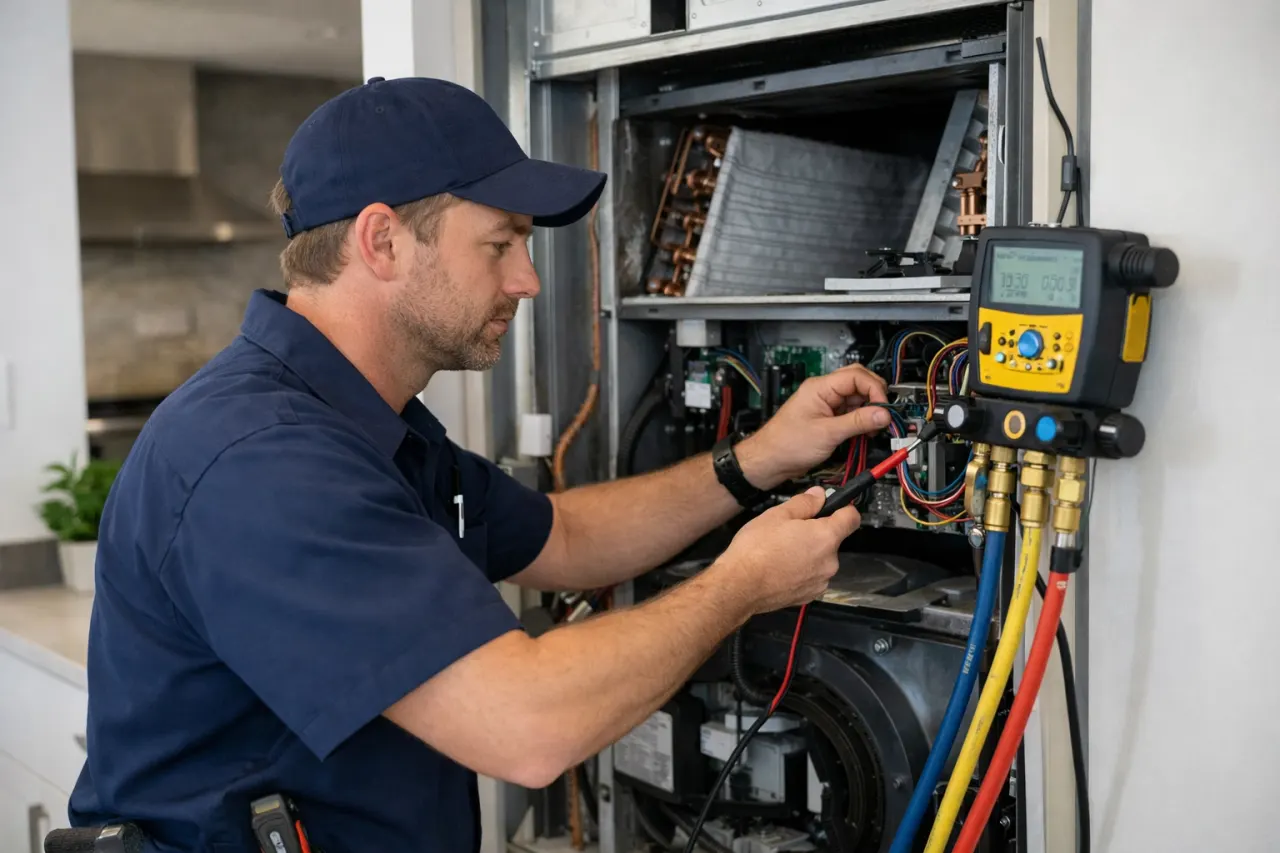
Short answer: Yes. Since February 2026 you can no longer create new call-only ads, and existing ones stop serving in February 2027. The replacement is Responsive Search Ads with call assets, so migrate now: run both side by side for two to four weeks, raise call bid adjustments 15 to 20 percent, and fix your landing page, because every ad now needs one.
If you have spent any time running a service business, you know the power of the phone call. For years, the gold standard for quick wins in home services was the call-only ad. It was simple. It was effective. It was basically a giant blue button that said: please give this plumber your money because my basement is currently a swimming pool. You did not need a fancy website. You did not need a landing page. You just needed a phone number and a credit card to feed the Google machine.
That era is ending. Google has officially started sunsetting the standalone call-only format. As of February 2026, you can no longer create new call-only ads. By February 2027, the existing ones stop serving entirely. If your dispatch board depends on these ads, this might feel like a reason to panic. It is not. But it does require action, and the businesses that move early will come out ahead of those who wait.
What Is Actually Changing (and What Is Not)
Google is not killing phone calls. They are killing a specific ad format. The replacement is Responsive Search Ads (RSAs) with call assets attached. Instead of a standalone ad that only triggers a phone call, your ads will now show headlines, descriptions, and (sometimes) a clickable phone number. The user can call you directly from the search results or click through to your website first.
Here is the part most articles gloss over: with RSAs, Google's AI decides when to show your phone number, not you. Call-only ads guaranteed a call button on every impression. Call assets do not. Google will show the number when its system believes a call is likely, and hide it when it thinks a website click is a better bet. Early data from advertisers testing this transition suggests that direct dials can drop by as much as 40 percent initially, because users now have the option to visit your site and vet your business before picking up the phone.
That is not entirely a bad thing. A homeowner who checks your reviews, sees your service area, and then calls is a higher-quality lead than someone who tapped a button on impulse. But it does mean two things: your website has to actually convert, and you need to set your campaigns up correctly to keep call volume from falling off a cliff.
The Migration Playbook: What to Do Right Now
Do not wait until February 2027 when Google flips the switch and your ads simply stop running. The transition needs to happen now, and it needs to happen methodically.
Step 1: Audit your current call-only campaigns. Identify your top performers by call volume, qualified leads, and time-of-day patterns. Export your keyword lists, match types, bid strategies, and geographic targeting. You will need all of this when you build the RSA replacements.
Step 2: Build RSAs with call assets in the same ad groups. Run them side by side with your existing call-only ads for two to four weeks. Track call volume, call quality, cost per call, and conversion rates. This gives you a real baseline instead of guessing.
Step 3: Increase your call bid adjustments by 15 to 20 percent. This tells Google's algorithm to prioritize showing the call button more aggressively when it makes sense. It is one of the fastest ways to maintain or even boost call volume during the transition. You will find this under campaign settings, then advanced bid adjustments, then calls.
Step 4: Write headlines that work with or without the call asset showing. Since Google will not display your number on every impression, your ad copy needs to stand on its own. Include your service, your location, and a clear reason to choose you. "24/7 Emergency AC Repair in Houston" works whether the call button appears or not.
Step 5: Schedule call assets for business hours only. If nobody is answering the phone at 2 AM, do not let Google show the call button at 2 AM. Missed calls from ads are worse than no calls because they burn budget and train the algorithm on bad data.
Step 6: Fix your landing page before you make the switch. This is the step most businesses skip, and it is the one that costs them the most. With call-only ads, you did not need a website at all. With RSAs, every ad needs a destination URL. If your site looks like it was built in 2005, your conversion rate will drop the moment users start clicking through instead of calling. Speed, a visible phone number above the fold, and trust signals like reviews and certifications are non-negotiable. For a deeper look at what makes a landing page convert, our guide on closing the click-to-lead gap breaks this down in detail.
Lead Form Extensions: A Complement, Not a Replacement
Lead form extensions let a potential customer send you their name, phone number, and service needs directly from the search results without visiting your website. For non-emergency services like water heater quotes, maintenance contracts, or drain cleaning appointments, they can work well. They lower friction and give Google a clean conversion signal to optimize against.
But they are not a substitute for phone calls, especially in HVAC and plumbing where the money is in emergency work. A homeowner with a burst pipe at midnight is not filling out a form. They need someone on the phone. Use lead forms as a secondary conversion path for scheduled services, not as the primary play. And know going in that form lead quality tends to run lower than phone leads because the barrier to submit is so low. You will want a CRM workflow or at minimum a fast callback system to qualify these before they go cold.
Getting Your Conversion Tracking Right
In the old days of call-only ads, a three-second phone call often counted as a conversion. Anyone who has managed a service account knows that a three-second call is a wrong number, a robocall, or someone who hung up before the receptionist could answer. It is not a lead.
The move to RSAs is a good time to clean up your conversion tracking. This is not one magic toggle. It is a few separate pieces that need to work together:
Call tracking with minimum duration thresholds. Tools like CallRail let you set a minimum call length (60 seconds is a common starting point for HVAC) so that only real conversations count as conversions. This is your source of truth for lead quality.
Call conversion actions in Google Ads. Set these up at the campaign or ad group level and tie them to your call tracking numbers. Make sure you are measuring calls from ads and calls from your website separately so you can see the full picture.
Offline conversion imports. This is where it gets powerful. When a phone call turns into a booked job, you feed that outcome back to Google. Now the algorithm knows which keywords, times of day, and audiences lead to revenue, not just phone rings. It starts ignoring the tire kickers and focuses your budget on the searches that actually produce work orders. This is the single biggest advantage of the RSA format over call-only ads, and most businesses never set it up.
When conversion tracking is done right, Smart Bidding strategies like Target CPA or Maximize Conversions can work in your favor. A person searching for "emergency AC repair" during a 100-degree heatwave is worth a much higher bid than someone searching "how to change an air filter" on a cool Sunday afternoon. The algorithm can make that distinction thousands of times a day, but only if you are feeding it accurate data about what actually matters to your business.
The Real Risk: Doing Nothing
RSAs need data to exit the learning phase. Google's own documentation says individual ad assets need at least 500 impressions, and complete ads need over 2,000 impressions in "Google Search: Top" positions across a 30-day window before the system is fully optimized. If you wait until January 2027 to start this migration, you are launching untested campaigns right as your existing ads go dark. There will be a gap. Your phone will go quieter. And your competitors who migrated six months earlier will be soaking up the clicks you are missing.
The businesses that treat this transition as a Q2 2026 project instead of a Q4 2026 scramble will have months of performance data, optimized headlines, and trained bidding algorithms before the deadline hits. That head start compounds.
What This Means for Your Business
The death of call-only ads is not a threat. It is a push toward better infrastructure. Businesses that relied on call-only ads often had no website, no conversion tracking, and no data about which keywords actually produced booked jobs. That was always a fragile setup. The RSA migration forces you to build the pieces that should have been there all along: a fast landing page, proper call tracking, and a feedback loop between your ad spend and your actual revenue.
If you are ready to make this transition without losing call volume or guessing your way through the setup, we can help. Our team has been running this migration for HVAC and plumbing clients since the deprecation was announced, and we know where the pitfalls are. Request a free audit and we will show you exactly where your account stands and what needs to happen before February 2027.
Quick Answers
About the Author
Charles Williams
· Founder, High Priority MarketingGoogle Ads Specialist · Managing paid search campaigns since 2007
Charles has been managing Google Ads accounts for local service businesses, home services contractors, and B2B companies since 2007. He has worked with Fortune 500 brands including CarMax, Adobe, and Citrix, and founded High Priority Marketing to give smaller businesses access to that same level of strategic depth without the overhead that drives up costs and slows things down.
highprioritymarketing.com →Find Out Where Your Google Ads Budget Is Leaking
Get a free audit of your Google Ads account. I review it myself and show you exactly where spend is being wasted and what to fix first.
Get Your Free AuditReady to get started?
See the services I offer and how I can help your business grow.